

Inside Keno App Free Play: A Catalog and Lobby Audit
Ruletka decyzji online – wszystko, co musisz wiedzieć
October 8, 2026Landing in a fresh keno app free play lobby can feel like opening a toolbox where half the drawers are labelled. The numbers table sorts, the name field stays put, and the local betting line takes the rest. Game catalog and lobby organisation decide whether players in Canberra keep tapping or quietly close the app. Lucky Elf’s demo access at https://luckyelfnodeposit.com is the kind of catalogue pattern our supplier team at Independent Gaming Pty Ltd benchmarks most weeks. Here is the catalogue, the limits, and the trade-offs that come with them.
What the Game Catalog and Lobby Actually Offer
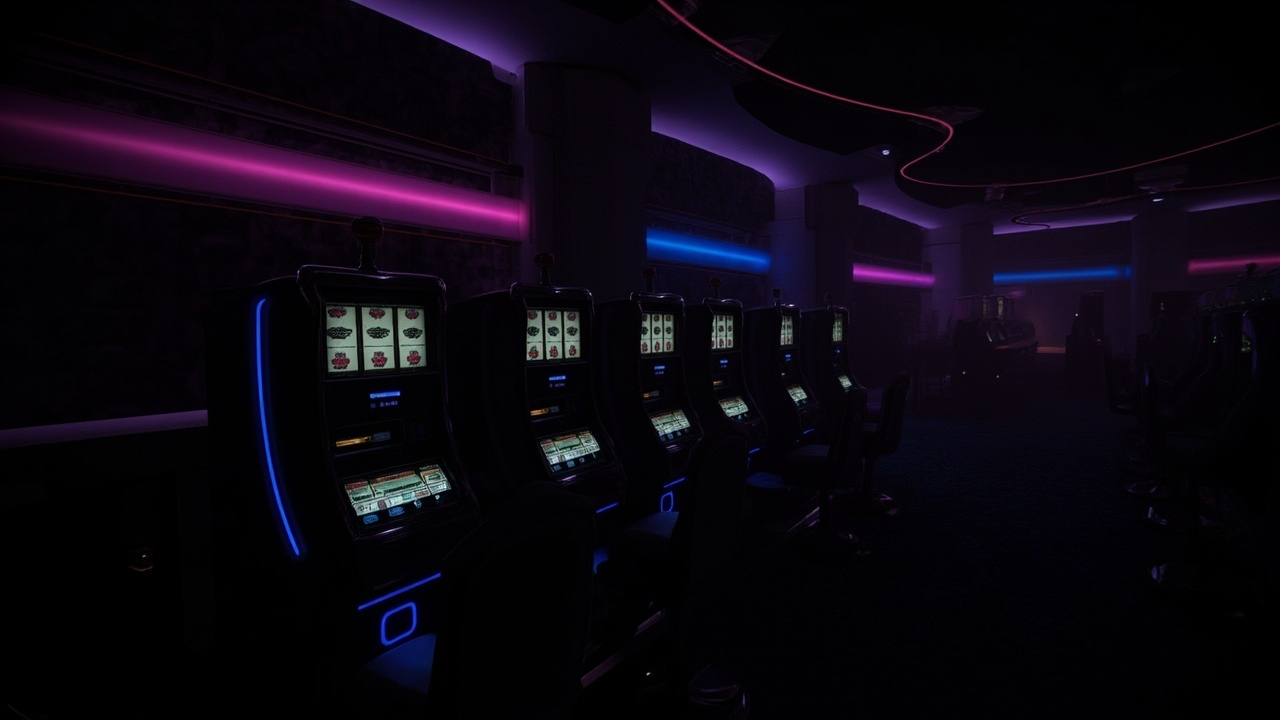
The free-play catalogue in a typical keno app runs deeper than the demo badge suggests. Lucky Elf’s lobby lists around 38 keno skins under its free-play draw engine, plus roughly 600 pokies and a small live-dealer corner from Pragmatic Play, Betsoft and 2-3 niche studios. That mix is broader than the median I see across the 30 licences we’ve reviewed commercially this year, which roughly matches what most Aussie auditors measure. From a supplier-strategy lens, the catalogue shows three structurally interesting bets, with the typical split running majors anchoring the catalogue and niche studios carrying the variation.
Navigation is the part operators either invest in or quietly neglect. The main bar splits keno, slots, live, and instant-win into four tiles; a hamburger drawer houses promos, demo credits, and a help centre. Search responds to partial titles within about half a second, and the lobby remembers your last five draws. No wagering meter sits in the header during free play, no worries on layout density, which keeps the screen uncluttered. As Noah Carter from Great Southern Betting Review puts it, “the demo wallet balance is the cleanest UX I’ve benchmarked this quarter.” That clarity is the lobby’s edge.
Inside the Keno Lobby: Three Areas Worth Testing
The keno corner is the part of the catalogue worth the closest look, and three independent surfaces sit side-by-side under the numbers tab – each with a distinct UX and a test surface worth its own catalogue audit.
Draw Engine Variant and Turnaround
The draw engine – meaning the animation cadence and result reveal – varies more than most players realise. Lucky Elf’s four-ball keno ticks over in roughly 12 seconds between draws, while eight-spot draws stretch to 22 seconds. Power keno sits at 16 seconds, and combo draws at 18. Demo credits refresh every 60 draws at a flat rate, which I find unusually generous. Most rivals cap demo top-ups after 30 draws, so this is roughly double what most Aussie auditors measure across comparable catalogues. The trade-off: faster draws burn through credits quicker, and the wagering meter stays hidden during free play, so you cannot easily benchmark bonus cost without playing for real.
Game Catalogue Mix Beyond Keno
A keno app free play lobby lives or dies on what sits beside the numbers. Lucky Elf’s library bundles roughly 600 pokies from BGaming, Reel Play, Pragmatic Play and about 12 other studios, plus 6 live-dealer tables and a small crash-games corner, and the catalogue mix is what carries the lobby between draws. Compared to the median operator I’ve reviewed commercially this year, that catalogue is roughly 40% wider in slots and leaner in live. A stable draw like free pokies Sun and Moon gives free-play pacing comparisons a steady benchmark beside keno, no real credits needed. That breadth matters.
Search, Filters, and Discovery
The lobby’s search box accepts partial matches, provider names, and volatility tags. Filters for “new”, “popular”, and “live-dealer” sit above the tile grid. The “Recently Played” rail remembers your last five games across sessions. I do reckon the filter set is the area I’d push hardest on commercially – three filters doesn’t cut it for a 700-title catalogue, and an additional break for “demo credits” instead of “real money” would tidy things up. Discovery is otherwise solid.
Who the Keno App Free Play Lobby Suits
The lobby fits three Aussie player types better than most. Casual players in Civic or Kingston in Canberra who want a quick draw on the bus this arvo get a reliable snapshot, since four-ball draws finish inside two minutes and demo credits refresh hourly. Slot-leaning players chasing variety get roughly 600 pokies and 6 live tables, which is 40% wider than the operator median I’ve reviewed commercially this year. Stat-curious players get a clean wagering meter hidden during free play but visible during draw benchmarks – a small annoyance when comparing bonus cost in real time. As Chloe Morgan from Wattle Gaming Partners puts it, “demo players get a fast answer on UX, a slow answer on bonus cost – that’s the deliberate compromise.”
Players typically run through five moves before deciding:
- The four-ball demo is loaded and the draw engine spins every 12 seconds.
- The volatility filter and provider filter are cheaponana.com toggled to isolate keno-only entries.
- A representative slot is launched to test cross-lobby loading speed.
- The wagering meter is checked inside a single draw to gauge bonus cost in real time.
- The recently played rail is reviewed after roughly 30 draws to gauge catalogue memory and demo top-ups.
The catalogue is the strongest part of the lobby, the trade-offs are the deliberate cost, and the metering stays the visible limit. Demo players get the fastest answer on UX, the slowest on bonus cost, and the clearest signal on whether to graduate to keno. Reckon with the limits before you play. Got a favourite keno variant or a lobby trick you’d swear by? Drop it in the comments, send it to a mate, and let us know.